

Dexor’s Tech At IBC2023: What We’ve Shown There
Dive into Dexor’s groundbreaking tech showcased at IBC2023. Discover how our RMDT protocol is revolutionizing data transmission in the broadcasting world
 DATACLONE|STREAMCLONE|RMDT
MULTI-GIGABIT POINT-TO-MULTIPOINT DATA TRANSPORT
We provide a set of networking solutions based on the Reliable Multi-Destination Transport Protocol (RMDT), a solution for fast data transmission over high-capacity WAN networks. RMDT was developed at the Future Internet Lab Anhalt at Anhalt University of Applied Sciences. It easily handles high packet delays and jitters, as well as significant packet losses in the network. RMDT is built on UDP. It doesn’t require special hardware or additional proprietary drivers – it simply works in legacy IP infrastructures. What makes RMDT stand out further is that it can handle data delivery to many destinations in one session. Because of these unique characteristics, delivery of big data sets to several destinations with RMDT consumes much fewer system resources and time than any another solution.










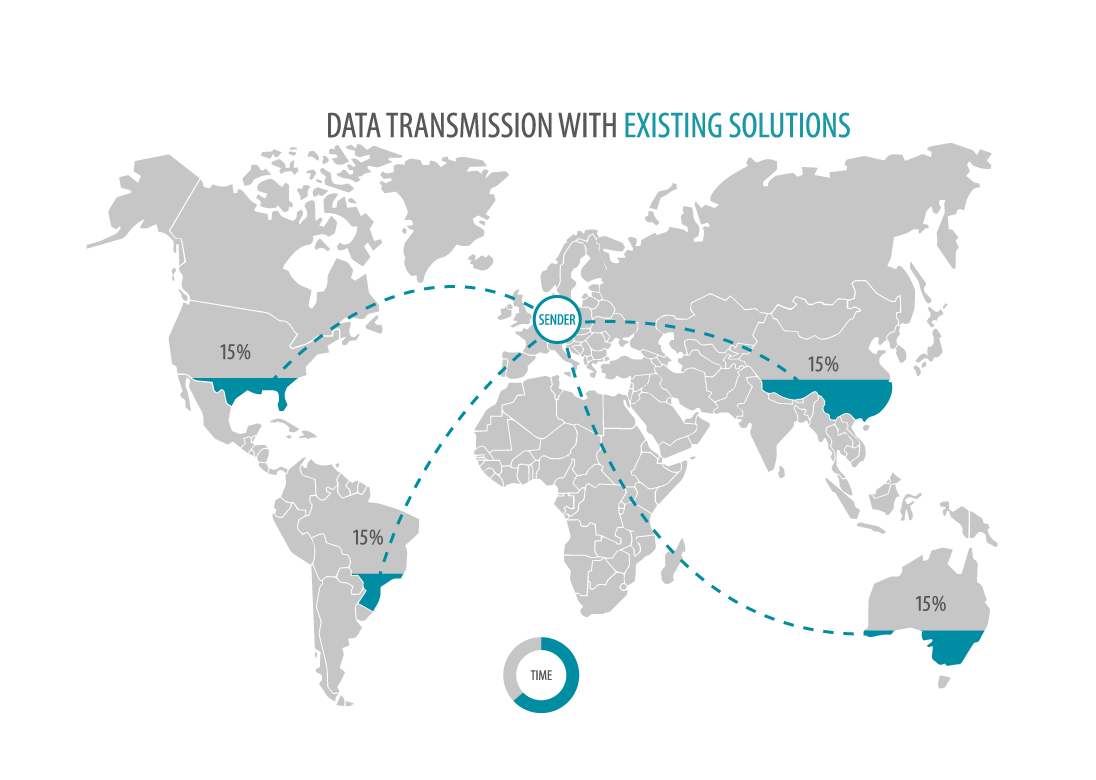
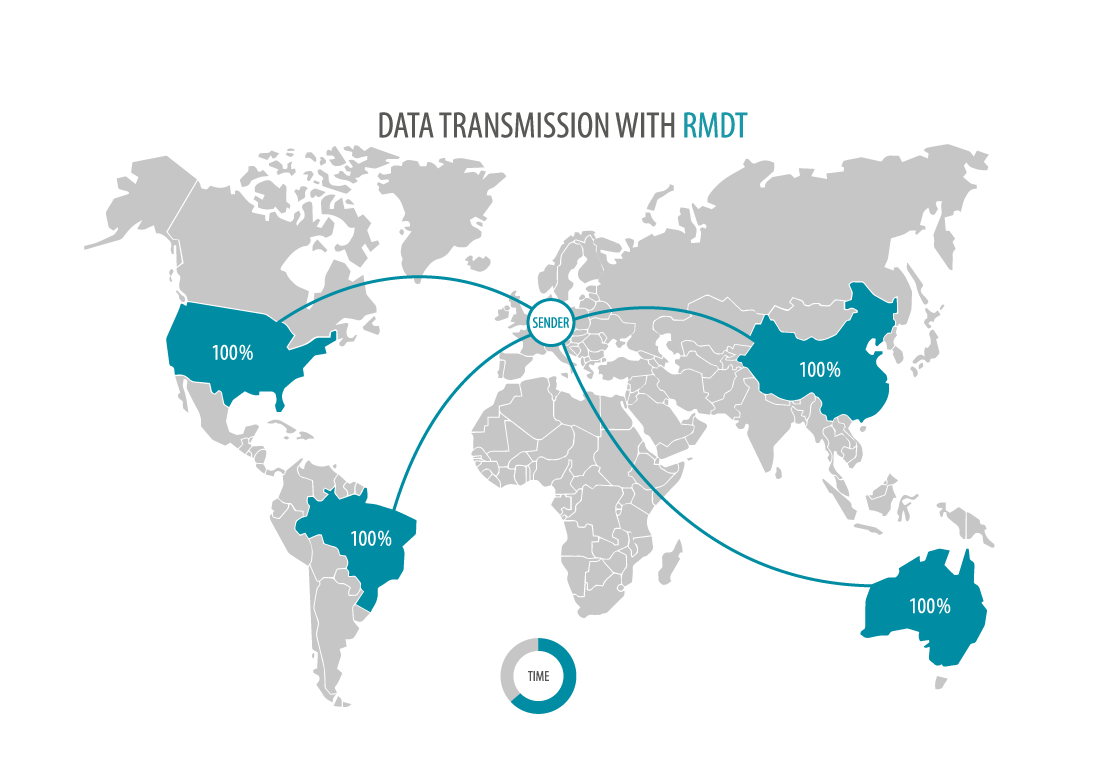

Dive into Dexor’s groundbreaking tech showcased at IBC2023. Discover how our RMDT protocol is revolutionizing data transmission in the broadcasting world

RSDT is setting new frontiers in data transmission. Explore the pinnacle of speed, trust, and transport protocol innovation with us.
You must be logged in to post a comment.